Dex Entry #003: Similarities Between AI and Zubat!
Lately, multiple articles have been appearing in my feed about how artificial intelligence is moving from research labs into almost every part of the real world. Just as you cannot enter a cave without running into a Zubat (without Repels, of course), it’s almost impossible to browse the internet without encountering mentions of AI or content, such as Reels, Shorts, and TikToks, created with it.
AI is developing rapidly. The more I read about it, the clearer it became that it is not limited to one single technology or one final boss. Instead, it is a growing collection of tools trained for very different environments.
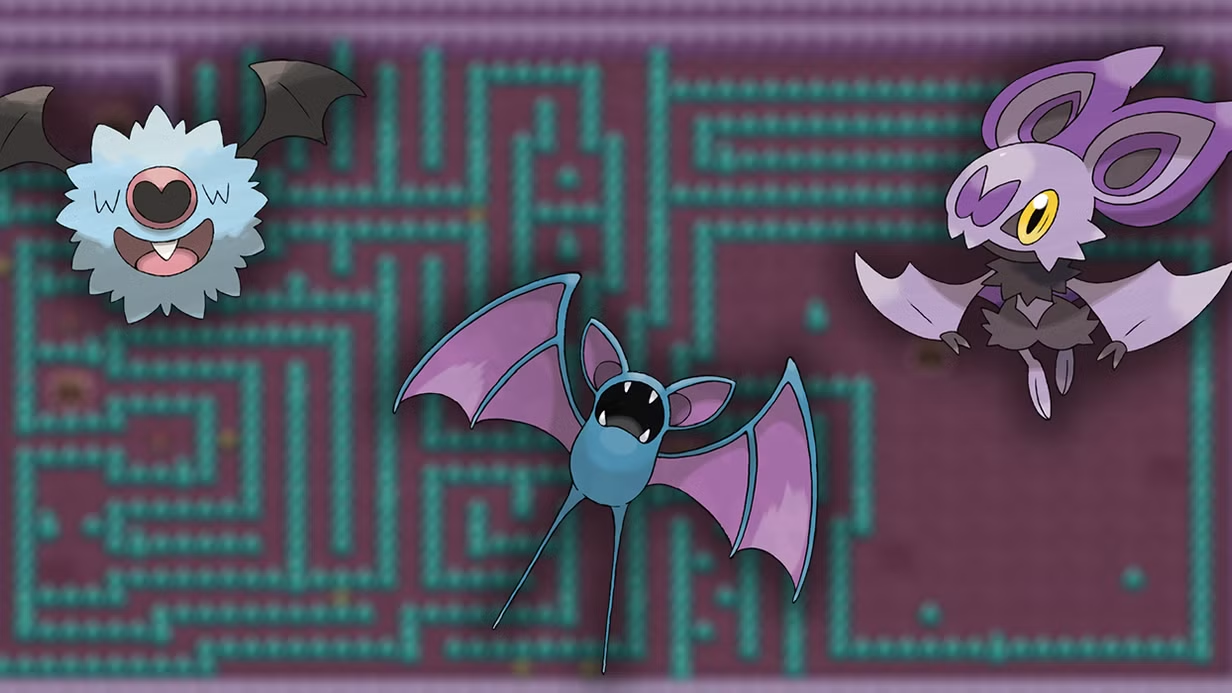
Just as Zubat, Woobat, and Noibat are different bat-inspired Pokémon with their own evolutions, many AI models rely on shared foundations. Their data, model architecture, training objective, optimization process, and evaluation methods all influence the quality of the final system.
These techniques, applied across different fields, give rise to countless useful tools and applications.
-
Science and research: Researchers at all levels, from doctoral researchers to students, use AI to analyze enormous datasets and research literature. Here, its biggest advantage is helping people search through possibilities faster.
-
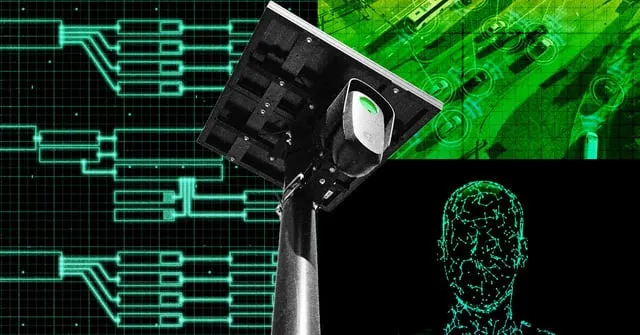
Transportation: AI is used for route planning, driver-assistance systems, and some security applications (think Flock cameras!). A small improvement repeated across thousands of journeys can lead to significant savings.
-
Finance and security: Systems that detect unusual transactions are becoming increasingly common, helping identify fraud, assess risk, and flag suspicious activity at speeds that would be difficult for humans to match manually. The strength of these tools lies in their ability to examine patterns at a scale that people cannot manage on their own.
-
Manufacturing: AI-powered inspection, maintenance, and robotics can help factories find defects earlier and reduce downtime. These systems can use supervised learning along with other techniques, and AI often works quietly in the background rather than appearing as a chatbot.
-
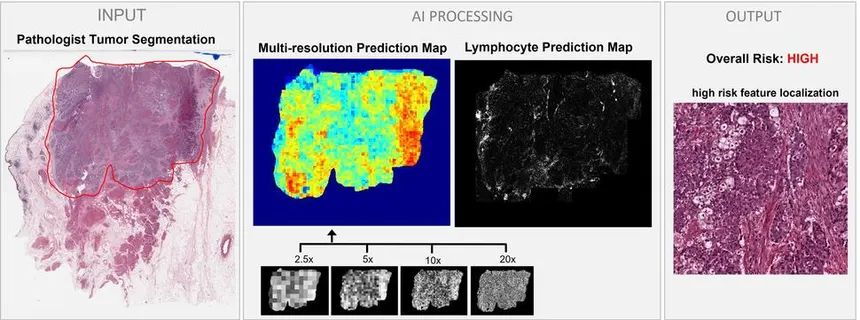
Healthcare: Models can help doctors analyze scans, identify patterns, summarize patient information, and explore possible drug candidates. While these systems can assist experts, the consequences of a wrong answer cannot be ignored, making human oversight essential.
What surprised me, but was obvious in hindsight, was how often the real value lay in augmentation rather than replacement.
AI can process information quickly, but I believe people are still needed to define the problem, check the result, understand the context, and decide what should happen next. Often, a confident prediction is not automatically a correct one. Without human oversight, AI can make mistakes that grow into bigger problems if left unchecked.
Reliable data, privacy, bias, security, cost, energy use, and accountability all matter. A model that performs well in a controlled test still has to survive the messy conditions of the real world. For me, the most useful lesson from these use cases was that understanding AI means studying not only how a model works, but also who uses it, who is affected by it, and how its decisions are defined and verified.
The AI lifecycle is still evolving, but it is already changing how people work, learn, and solve problems. I am looking forward to seeing which applications become genuinely useful and which ones turn out to be more hype than progress.
Further reading
- Stanford HAI: 2026 AI Index Report
- NIST: AI Risk Management Framework
- FDA: List of Artificial Intelligence-Enabled Medical Devices